What Does 8×42 Mean? Understanding Binocular Numbers
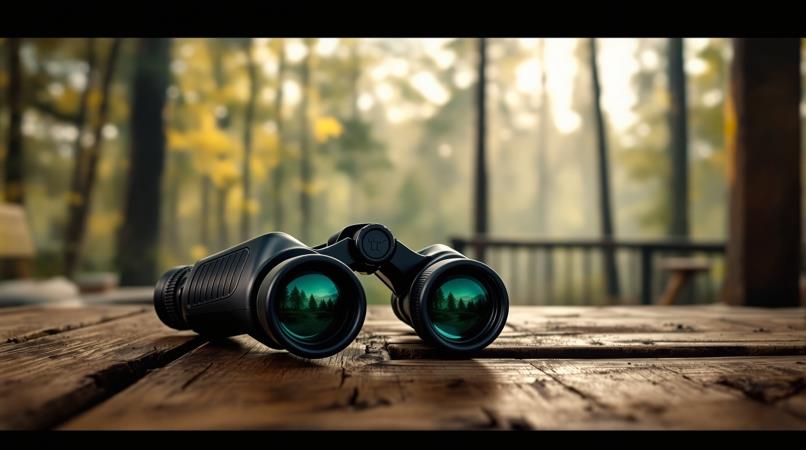
A label like 8×42 might seem like a bit of code but it answers two simple questions: how big a faraway object seems and how much light the tool can collect. This is important when you are looking at a bird in a park reading a sign from a path or watching a game on a field. Knowing what the numbers mean helps you pick models that're good for your money without thinking that bigger numbers always mean better views. The best way is to think about each number and how it connects with your hands, your eyes, the light and the thing you are looking at.
The first number controls how big the object looks
In 8×42 binoculars the 8 means eight times magnification. Something you look at through the binoculars seems eight times bigger in size than it would with your bare eyes. It does not bring the object closer in a way and it does not mean you will see eight times more detail.
Imagine a bird sitting high in a tree. With 8x binoculars the bird looks much bigger than it does when you look directly at the tree. You might see details but only if the focus is correct the lenses are clean the air is not too hazy and you can keep the view steady.
Magnification also makes movement bigger. A little shake of the hand that is hardly noticed with power becomes more obvious with higher power. This can make a magnified view tiring especially when you are looking at something that moves or trying to find a small bird among branches.
For outdoor activities moderate magnification is easier to use than a much higher number. It is a choice based on how you hold the binoculars, not a rule that one number works for everyone. Someone watching wildlife from a fixed place might like power while a hiker who uses the binoculars often might prefer a steady and comfortable view.
The second number describes the lenses
The 42 in 8×42 refers to the size of each big lens at the front of the binoculars measured in millimeters. These lenses bring in light for the binoculars.
A bigger lens can help make the view brighter in light assuming the rest of the binoculars are well made. It can also help make the light that reaches each eye bigger. The downside is the size and weight. A 42 mm model may feel less easy to carry than a pair with smaller lenses.
The number does not tell you how big the view is,. Does it say the image will always be brighter. The quality of the lenses how the inside is built, the glass, coatings and your own eyes all matter. A cheap lens that is big may not be as good as an one that is well made.
For a situation think about a weekend walk that starts in daylight but ends in a wooded area. A 42 mm lens can give the binoculars light to handle the change in light while 8x magnification is still easy to manage for finding birds and seeing distant signs. It is a middle ground for some users, not a rule for all.
What 8×42 means in light
The two numbers together make a useful measure called the exit pupil. You can find it by dividing the lens size by the magnification. For 8×42 42 divided by 8 gives an exit pupil of 5.25 mm.
This number is the size of the beam that comes out of each lens. A bigger exit pupil can make it easier to find the spot to look and can give a more comfortable view in low light. It does not add light that's not already there and it does not turn an affordable pair into a night vision tool.
In sunlight your eyes might use only a small part of the light beam. In light like in the woods or late in the day a bigger beam can be more helpful but how much light your eyes can take depends on your age and your eyesight. This is why two people might see the binoculars in different ways.
Another thing to know is that low light can show problems that're not obvious in bright light. The view might seem dull blurry around the edges or harder to focus. Read the numbers as a start then look at how the binoculars work and how they feel, rather than just looking at the exit pupil as a sign of brightness.
Specifications that change the viewing experience
Magnification and lens size get the attention but other things also affect how good the view is.
Field of view is how much of the scene you can see from side to side at a distance. It is usually given as an angle or a width. A wider field helps when you are looking for a bird in the air or following a player. A narrower field may make the subject feel alone but it can take longer to find it. Field of view is measurable so compare numbers that are given the way. It is separate from magnification.
Prism design is about how the inside parts make the image the way up. Roof-prism binoculars are usually slim and easy to carry. Porro-prism designs can look wider and more traditional. Neither is always better in every model. How well the binoculars are made, aligned and the quality of the lenses matter more than the type of prism.
Lens coatings reduce reflections. Help light pass through better when they are done right. Words like coated, fully coated and fully multi-coated show how much of the lens is covered. They don't say how well the binoculars were made. Coatings are important. They shouldn't be the only thing you check. Look at focus, sharpness, comfort. How well the binoculars work.
Focus and eye relief are things that affect how you use the binoculars. Eye relief is how far from the lens you can see the view. People who wear glasses may need space and adjustable eyecups to see the whole image. A center focus wheel should turn smoothly so you can adjust it easily without it feeling loose.
Choosing binoculars without chasing numbers
When looking at cheaper binoculars start with what you want to see not the numbers on the box. For birds and animals in daylight 8×42 is a choice because it balances a good magnification with a reasonably big lens. For travel concerts or short walks where weight is smaller lenses may be better. For a fixed spot in fading light a bigger lens could be worth the size.
Check the field of view the closest you can focus the eye relief and the weight. See each as part of the choice, not the final answer. Close focus is important if you like butterflies or birds nearby. Weight is important if you have the binoculars on your neck for a time. A wide field may not help a lot if the edges are distracting or the binoculars feel uncomfortable.
If you can try a pair before buying look at something away with clear edges then test something close. Look for a view that feels comfortable between both eyes a focus wheel that works smoothly and eyecups that stay in place. Check if the image stays clear as you move your eyes. These are checks, not lab tests but they can show if the binoculars are not right for you.
Remember that the numbers on the box can't tell you everything. They show some features. Comfort how steady the view is and how easy it is to find the subject are personal choices. For a park and trail situation an 8×42 pair is worth considering if you can handle the weight and want one tool for birds, scenery and changing light. The best choice is the pair you can hold steady focus and carry often-not just the one, with the biggest numbers.