How to Clean Binocular Lenses Safely
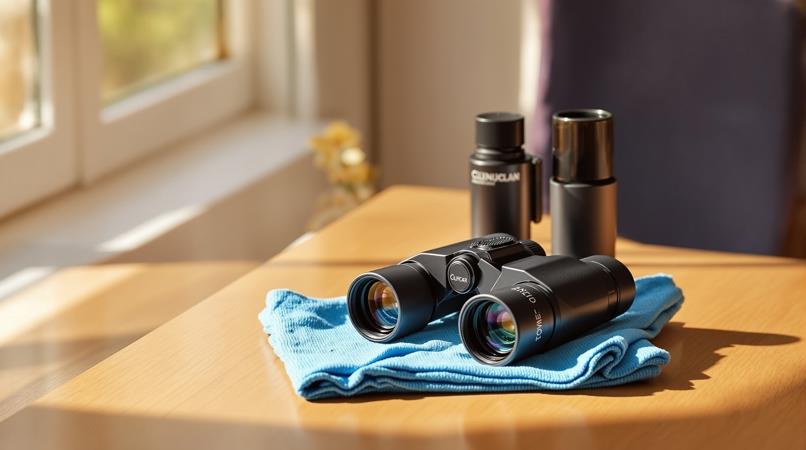
Dust, fingerprints and dried raindrops can make a clear view look hazy especially when bright light shows smears that're easy to miss indoors. Wiping carelessly can leave a problem: fine scratches, damaged coatings or grit that moves across the glass. The best way is simple. Can be done again and again. Check what is actually dirty first remove particles without touching then use a small amount of the right cleaning fluid only when it is needed. This method works for binoculars as well as more expensive ones and it stops regular cleaning from becoming a problem that needs repair.
Start by finding out what is actually dirty
A looking view does not always mean the outside glass needs cleaning. Both the eyepieces and the bigger front lenses can have fingerprints, dust, pollen, water spots or oily film but internal fog, a part or a focusing issue can look similar.
Start in light. Look at each lens from the side of looking straight through it. A cloudy patch, a fingerprint or a dried drop on the surface is a good reason to clean. If the view is still hazy after checking both surfaces the problem may be inside the optical system.
Check the eyepieces well as the front lenses. The smaller lenses near the eyes often collect skin oil from eyelashes or fingers. If one side looks soft compare the two parts at the same focus. A dirty lens usually has a mark that changes when the binoculars are tilted; internal haze stays in the place.
Do not keep wiping because the view is not sharp. Focus, eye position, hazy air and low light can all change what you see. Cleaning cannot fix a binocular that's out of alignment or has a broken prism.
Use tools that pick up dust of dragging it
The safest basic set has a clean air blower with a rubber bulb, a soft lens brush for optics and a clean microfiber cloth or optical tissue. A cleaning solution made for camera or binocular lenses can help with oily marks. Keep these items in a bag so the cloth does not get dirty in a pocket or backpack.
Hold the binoculars with the lenses down or slightly down when possible. Use the blower first giving a gentle puffs across the surface. Do not use your mouth: saliva can leave drops and particles and a strong breath may spread moisture where it should not go.
If a few particles remain, use the brush gently. Only after making sure it is clean. A brush that has touched a case a table or the ground can act like a small rough material. Never start with a cloth on a dusty lens. The cloth may push particles across the coating and create fine marks that are hard to see but permanent.
Canned air is not a replacement for a bulb blower. Its pressure can be much and liquid from the can may reach the lens if the can is tilted or too close. You do not need air pressure to remove loose dust from normal use.
Clean fingerprints and water marks with a touch
After removing loose dust check the surface again. For a fingerprint or a small mark put one or two drops of optical cleaning fluid on the cloth or tissue not directly on the binocular. The material should be wet not wet.
Wipe from the middle out with short strokes or a slow circle. Use little pressure. The goal is to dissolve and lift the mark not to polish the glass. Turn to a part of the cloth as the mark moves then do a final pass with a dry section if a film is left.
A clean lens tissue can be used for one job. Then thrown away. With microfiber wash it separately from laundry and do not use fabric softener, which can leave a residue. Have several cloths ready of trying to use one that is already dirty.
For salt, mud or a water spot do not use your fingernail, a card or a case corner to scrape the surface. Moisten the mark first. Give the fluid time to get soft. A few gentle passes are safer than one pass. If a spot does not come off stop and think of pushing harder.
Protect the coatings on budget binoculars
Modern lenses often have coatings to reduce reflections. Let more light through. These coatings are thin and usually last when handled right. Rough particles, wrong chemicals and too much rubbing can harm them. A coating is not a layer that can be removed and replaced with household products.
Avoid window cleaner eye drops with ingredients, alcohol-based cleaning products, acetone, disinfectant wipes and general glass cleaners unless the binocular maker says they are okay. Some formulas have chemicals, smells or extra stuff that can harm coatings, rubber parts, seals or the glue around lenses. Plain water is not always enough for oil. It is safer than using harsh chemicals.
Read the instructions that came with the binoculars if they are available. Different makers might say a certain fluid is best or warn against liquid near the edges of the lens. On binoculars the lens coating may still work, but the binocular may not be as strong or built to last. Careful handling matters more than the price.
Do not try to take off a lens cover unscrew an eyepiece or open the case for cleaning. Inside parts need tools and checks. Opening the case can bring in dust mess up alignment or hurt water protection.
Know when cleaning is not the answer
Fog that stays inside the binocular is a warning after moving from cold to warm. A little fog on the outside can be wiped away. Moisture trapped behind the glass may mean a seal problem or a temperature change that needs time. Put the binocular in a place at room temperature and let it adjust on its own. Do not use a hair dryer, a heater or direct sun to speed it up.
Look for scratches, coating spots, fungus-like lines, flaking or a cloudy area that does not change after cleaning. These problems are not dirt. A deep scratch may not matter in light but can be annoying near bright lights. Internal fungus and damaged coatings can get worse so they should not be ignored.
Double images, eye tiredness or a view that feels off are not things you can clean. These problems might mean the binoculars are out of alignment or damaged. Stop using much force and ask a professional to check if the binoculars were dropped, crushed in a bag or exposed to a lot of water.
Prevent the next dirty view
Prevention makes cleaning often and stops accidents from happening. Use the lens caps whenever the binoculars are not in use even if they are on a desk. Store them in a bag or a clean pouch of with keys, dirt or snacks. Keep them away from sunscreen bug spray and oily hands when you can; those are harder to remove than dust.
In the field wipe rain from the body first. Deal with the glass later in a clean place. A neck strap helps stop drops and a harness or case keeps the binoculars from rubbing against clothes. Do not leave them on a dashboard or in a sealed bag when they are wet.
For binoculars that cost than a hundred dollars a good cleaning kit usually costs less than replacing a binocular that got scratched. Check the back glass before each time you use them especially after going to the beach, a dusty path or a game. If you see dust use the blower. If you see a mark dampen the cloth. Use light strokes outward. If the problem is inside or is permanent or, from a hit cleaning is no longer the answer.
The three-step choice. Look, lift the dust then gently clean the mark. Is the habit worth keeping. It protects the lens coatings keeps the view clear and stops a fingerprint from becoming a big problem.