Are Cheap Binoculars Actually Any Good?
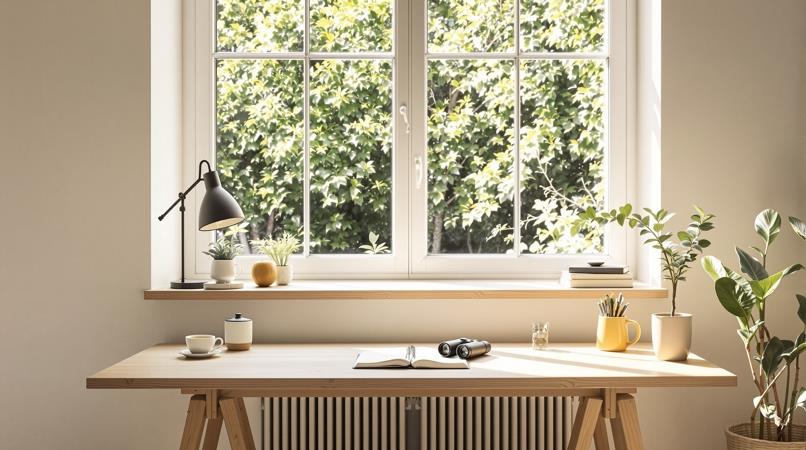
Low-cost optics can really help when you are watching birds in daylight walking on trails, traveling or watching outdoor sports. The issue is that a low price might hide focus controls, bad light transmission, small views or uncomfortable handling. A smart buy is not about finding the numbers on the box. It is about matching the design the build quality and the optical trade-offs to the way you will actually use it.
Where budget optics do the job well
Cheap binoculars are most convincing when the viewing conditions are good. In daylight a decent pair can make distant birds easier to identify bring trail details closer and help you follow action from a distance. Casual users might never need the edge-to-edge sharpness low-light performance or rugged sealing found in more expensive models.
They can also be a first step. Someone trying birdwatching for the time might prefer to spend a little before deciding whether a heavier, brighter or more specialized instrument is worth it. A compact pair can be convenient for travel, museums and occasional events while a larger model might suit a garden or car-based wildlife watching.
The useful question is not whether an inexpensive model can compete with glass. It usually cannot. Ask whether it gives you a clear enough view for your normal subjects without creating more frustration than enjoyment.
What the numbers tell you. And what they do not
The first number in a specification such as 8×42 is magnification. Eight times means the subject appears eight times closer than it would to the unaided eye though the practical impression also depends on field of view and steadiness. Higher magnification is not automatically better. It makes hand movement more obvious. Can make it harder to find a moving bird or sports player.
The second number is the diameter in millimeters. A 42 mm objective can collect light than a 25 mm objective when other design factors are comparable but it will normally add size and weight. That does not make 42 mm the choice for every person. A lighter pair that you carry and hold comfortably may be more useful than an one left at home.
Exit pupil is found by dividing diameter by magnification. An 8×42 design has a 5 mm exit pupil while an 8×25 design has an over 3 mm. A larger exit pupil can make the view easier to use in conditions and more forgiving of small eye-position errors. Your eyes may not use the exit pupil in bright daylight so a larger figure is not a guarantee of a brighter image.
Field of view tells you how much of the scene is visible at a stated distance. It matters when scanning for wildlife following movement or taking in a landscape. Manufacturers may state it as an angle or as a width at a given distance so compare like with like. A wide view can be helpful. It should not be bought at the expense of severe edge blur or distracting distortion.
There are a few prominent specifications worth understanding. Eye relief describes how far your eye can sit from the eyepiece while still seeing the image. People who wear glasses generally need eye relief to avoid losing the edges of the view and folding or adjustable eyecups can make that easier. A diopter adjustment lets you compensate for a difference between your eyes. It should be set once with the focusing procedure, than used as a substitute for a poor central focus mechanism.
The compromises hidden behind a price
The biggest sacrifice is often optical consistency rather than simple magnification. A budget pair may look sharp in the center. Lose detail toward the edges. Some users will accept that because the central area is where they place a bird or landmark. Others find it irritating, especially when scanning a scene.
Light transmission and contrast can also vary. Glass quality lens design and coatings all affect how much light reaches your eyes and how clearly dark and bright details are separated.
Focus control is another dividing line. A wheel that feels loose stiff or uneven can make it difficult to follow a subject, when switching between a nearby branch and a distant object. Excessive play may mean that the image shifts before the focus actually changes. This is not an annoyance if you expect to use the binoculars for moving wildlife.
Cheap models can also show colour fringing around high-contrast subjects, such as branches against a bright sky. Some pincushion or barrel distortion is visible when you pan across a fence or building. Neither problem necessarily makes a binocular unusable. They become more distracting during long sessions. A short look through the instrument is more informative than a specification list when checking these faults.
Prisms, coatings and the shape of the binoculars
Most binoculars use either Porro prisms or roof prisms to keep the path compact. Porro-prism binoculars have a stepped appearance and can offer a good sense of depth for relatively little money. They are often less compact though. The external shape may be less convenient in a small bag. Roof-prism binoculars have barrels and are easier to carry but their optical design can demand more precise alignment and additional prism treatments to perform well.
"Coated optics" is a description, not a guarantee of a bright high-contrast image. Coatings reduce reflections at lens surfaces. The wording may not tell you whether every air-to-glass surface is treated. Complete coating coverage is generally preferable while vague claims should be treated cautiously. In roof-prism designs, phase correction and reflective prism coatings can also matter, although budget instruments may omit or simplify them.
Look through the binoculars at a sky or a bright wall without pointing at the sun. A clean image should not be dominated by a veil or obvious internal reflections when a strong light source is just outside the field of view. This simple check does not replace testing but it can reveal distracting flare and poor contrast before you buy.
Practical checks before you choose
If possible hold the binoculars in the position you will actually use. The barrels should. Close smoothly to match the distance between your eyes and the image should merge into one circle rather than two partly overlapping views. If you see crescents move the eyecups or adjust the spacing before judging the optics.
Test the center focus on an object with detail then examine something nearer and farther away. The wheel should turn smoothly without a jump. Check that the diopter ring stays put once adjusted. Inspect the hinge and body for looseness and make sure the objective and eyepiece covers are not likely to fall off immediately in a bag.
Consider the carrying pattern, not the first impression in a shop. A compact 8×25 pair may be ideal for a concert, holiday or casual walk. Its smaller exit pupil can be less comfortable near dusk. A larger 8×42 model may be easier to use in changing light. Its weight can become tiring when held for long periods. If the binoculars are for children, older users or anyone with hand strength, low weight and straightforward controls may matter more than a larger objective.
How to get results from inexpensive binoculars
Use both hands and brace your elbows against your body when possible. This will not improve the glass. It can make a modest binocular seem much more capable by reducing shake. For a subject resting against a railing or using a support can help. Begin with a magnification if you are repeatedly losing the subject while trying to find it.
Keep the lenses capped when the binoculars are not in use and remove dust with a blower or soft brush before wiping. Rubbing grit, across the lens can create scratches. Use a lens-cleaning cloth rather than clothing and avoid household glass cleaner. Store the instrument dry and reasonably protected from heat. Affordable binoculars may not have waterproofing, so rain, condensation and drops deserve more caution than the price tag might suggest.
The practical takeaway is simple: choose the binoculars you can hold steadily focus accurately and carry often. For daylight casual observation, an uncluttered view and comfortable handling can matter than impressive magnification printed on the box.