Best Binoculars for Birdwatching on a Budget
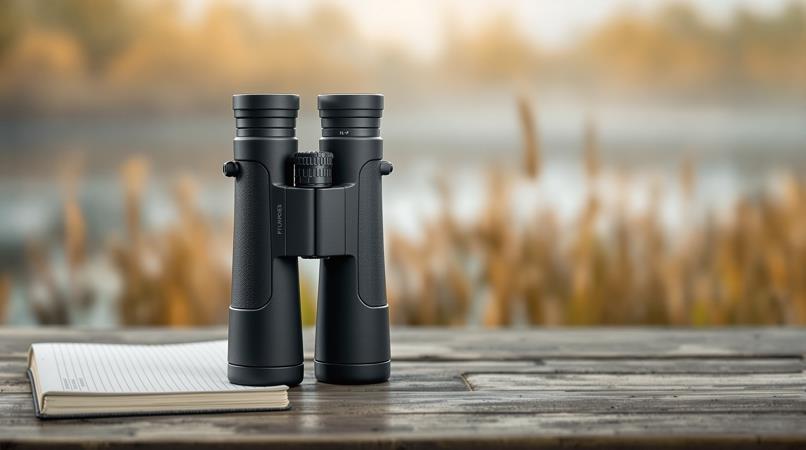
Good birdwatching binoculars need to do more than just make a distant bird look bigger. They should help you find a moving bird quickly keep the image steady to follow it and show clear detail even when light changes. Carrying them shouldn't feel like a chore either. Spending than $100 means you might have to accept some trade-offs but it's still possible to find a pair that works well. The best way is to think about how you use binoculars in birding situations-like watching birds in trees or scanning open fields-and then check for any optical flaws before buying and after using them regularly.
Start with a forgiving magnification
Magnification tells you how much larger things look through the binoculars. An 8x model makes things eight times than what you see with your eyes. A 10x model makes them ten times bigger. That extra power also shows more of your hand shaking.
For new birders 8x is easier to handle. It usually gives a view a wider field of sight and less frustration when a bird jumps from branch to branch. That wider view helps you spot a bird again after hearing a call or catching a flash of movement.
A 10x binocular can be useful when birds are away or when you're observing across water or wide open spaces.. The trade-off isn't just about getting more detail. Higher magnification makes it harder to find and hold onto a subject especially if you're standing up. It can also show blurry movement from heat waves or air currents at long distances. Using a monopod or resting on something can help, but that adds another piece of gear.
Don't pick magnification alone. A focused 8x view is better than a shaky 10x view that keeps losing the bird.
Match the lens to the light
The objective lenses are the big ones at the front. Their size affects how light the binoculars can gather. Larger lenses bring in light but they also make the binoculars heavier and bulkier.
Most compact birding binoculars have lenses between 30 and 35 millimeters. Bigger models often use 40 millimeters or more. Smaller pairs are lighter and easier to carry over walks. Larger lenses may give an image in shade or near dusk-but only if the optics inside are good and the coatings work properly.
One helpful number is the exit pupil. You get it by dividing the diameter by the magnification. For example an 8×32 has a 4-millimeter exit pupil (32 ÷ 8 = 4) while a 10×42 has 4.2 millimeters (42 ÷ 10 = 4.2). The exit pupil is the circle of light you see behind the eyepiece when you hold the binoculars away from your eyes.
A larger exit pupil helps you keep the image in focus even if your eyes aren't perfectly aligned. It can help in low light.. It doesn't guarantee a bright view. Glass quality, coatings, alignment and how well stray light is controlled all matter too. So treat the exit pupil number as a hint, not a promise.
Look beyond the headline specifications
Field of view tells you how wide an area you can see at a distance. Its usually given as an angle or as width at 1000 yards. A wider field helps when tracking a bird in flight or scanning bushes. It can also make the experience feel more comfortable and relaxed. Some wide models have issues with blurry edges so the number alone won't tell you how clean the whole image will be.
Close-focus distance matters for people who watch insects, small birds in nearby bushes or feeders. Manufacturers measure this differently so compare values than trusting them completely. Your own ability to focus closely without strain is just as important.
Prism design shapes the binoculars. Controls how light travels inside. Roof-prism models are usually thinner and easier to carry. Porro-prism designs often give better depth perception and strong performance at cost. What really matters is how well each type is built, not the name.
Coatings reduce reflections where air meets glass and let more light reach your eyes. Look for descriptions of which surfaces are coated not just a general label. " Multi-coated" sounds good and is desirable for this price range but don't trust the words alone-test the actual image quality.
Check the view before judging the bargain
If you can try the binoculars outdoors or near a window before you buy. Adjust the interpupillary distance by sliding the barrels until the two round images merge into one. Then adjust the diopter so each eye sees clearly. If both eyes aren't focused right even great optics can seem blurry.
Look at a distant line-like a roof edge or bare tree branch. After focusing the center should be crisp. Move your eyes slightly without moving the binoculars. If the image shifts a lot your eye relief or fit might not suit you. Check the edges for blurriness, color fringes or loss of detail. Some softness around the edges is normal. A tiny sharp center can become annoying during active observation.
Test each barrel separately by covering one side at a time. Brightness and color should look similar. If you see a crescent, double image, foggy spots or a view that never focuses pay attention. These signs could mean dirt, damaged lenses or misalignment-not just a focus problem.
Close the hinge. Turn the focus wheel all the way through its range. Adjust the eyecups. Everything should move smoothly without being too loose. If the focus wheel slips, grinds or suddenly changes tension it probably won't improve with use.
Make comfort part of the decision
Birdwatching often means holding the binoculars up for long periods. Weight, balance and grip affect how detail you can actually see. A spec sheet can't tell you whether the barrels hurt your wrists or whether the focus wheel is hard to reach with gloves on.
Eye relief is how far your eyes can sit behind the eyepieces and still see the image. People who wear glasses usually need eye relief. Try the binoculars with your glasses on. Set the eyecups correctly. If black bars appear around the edge when your eyes are in the place the fit is wrong-even if the optics look sharp.
The central focus wheel should turn easily with precise movements. Too. It tires your hands. Loose and it shifts when the binoculars bump against clothing. Twist-up eyecups should stay in place without collapsing
Water resistance and rubberized exteriors can help with use but don't assume they make the binoculars waterproof. Seals wear out. Cheaper builds vary. Practical protection means using a neck strap keeping lens caps on when not in use and drying the outside after conditions.
Prevent small problems from becoming
Dust on the outside of a lens is normal. Start with a blower or soft lens brush. Rubbing grit on the glass can scratch it. If there's a smudge left use an optical cloth and a little lens cleaner-just enough to remove the mark. Avoid household paper towels, clothes or window cleaners. They can damage coatings. Leave residue.
Fogging needs attention. Temporary mist on the outside happens when cold binoculars warm up in air. Let them come to room temperature slowly in a case and wipe gently.. If haze appears inside the lenses returns after drying or spreads in rings that's not normal. It could mean moisture got in. It should not be ignored.
A sudden double image, eye strain after a few minutes or one barrel that refuses to match the other can signal collimation trouble. Stop trying to fix it yourself. Don't force the hinge. Keep adjusting the diopter. Misalignment often needs repair and using the binoculars anyway can lead to discomfort.
Before every outing check the neck strap lens caps and focus action. Afterward remove dust. Store the binoculars somewhere dry away from extreme heat. For a budget purchase avoiding damage is one of the easiest ways to keep the views clear.
When comparing binoculars under $100 start with the birds and places you actually go. An 8x model with a fit might work best for woodland trails. A steadier support and higher magnification could be better for spotting shorebirds away. Always check the center sharpness, how well the two barrels match, the focus wheel function and signs of moisture. That short inspection, followed by cleaning and dry storage can matter just as much, as a list of specs.